Immunology
Pioneering immunomodulatory therapies for autoimmune and inflammatory diseases with precision-targeted approaches that restore immune system balance.
SIK Program
Unmet need in autoimmune diseases
At Onco3R, we are building on 15 years of experience in the discovery and development of SIK family inhibitors to treat autoimmune diseases. We have developed SIK3 inhibitors that we believe have the potential to revolutionise the way autoimmune diseases are treated.
SIKs, or salt-induced kinases, are a family of proteins that play roles in a wide array of biological processes, including inflammation. Three different isoforms exist, SIK1, SIK2 and SIK3. We have identified that SIK3 plays a key role in regulating pathogenic processes involved in autoimmune diseases and that by inhibiting it, the pathogenic processes and the progression of disease can be inhibited.
SIK3 inhibitor O3R-5671
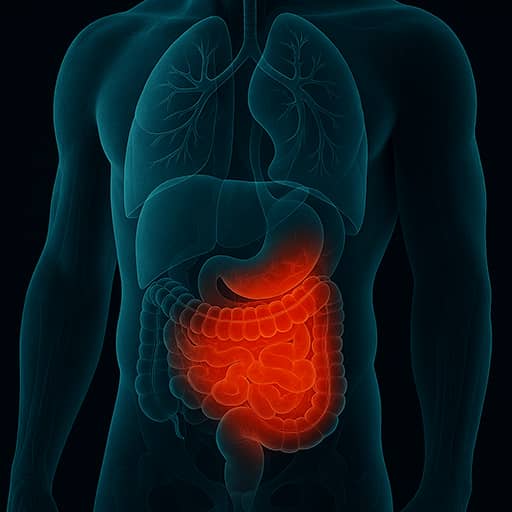
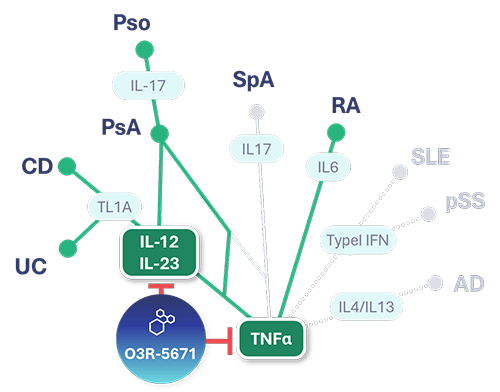
Our lead asset, O3R-5671, is a highly potent and specific SIK3 inhibitor that has been shown to target a variety of cytokines that cause disease in a variety of autoimmune diseases including ulcerative colitis (UC), Crohn’s disease (CD), psoriasis (Pso), psoriatic arthritis (PsA) and rheumatoid arthritis (RA).
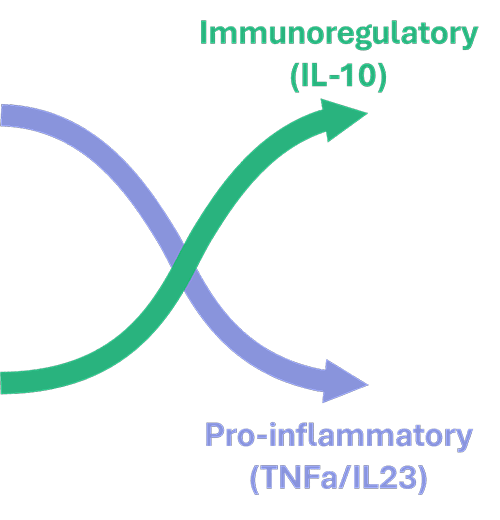
O3R-5671 targets the SIK3 enzyme which in turn impacts other proteins resulting in reduced transcription of genes involved in inflammation including tumor-necrosis factor alpha (TNFa) and interleukin 23 (IL-23) and increased transcription of immunoregulatory genes such as IL-10. Numerous studies have been conducted in translational models of autoimmune diseases which indicate that O3R-5671 is able reduce the severity of these diseases. We have also conducted extensive toxicology studies and are now ready to investigate O3R-5671 in humans.
Clinical study
A clinical study of O3R-5671 which will investigate various doses administered as single and multiple doses is ongoing.
This study will establish the safety and pharmacokinetics of O3R-5671 and provide insights into how it is able to dampen the immune response in the blood of people who have received it.